viernes, 13 de diciembre de 2019

Las 3 herramientas que te salvarán de comer compulsivamente


En los años de experiencia profesional , y personal, me he encontrado en diferentes situaciones y con diversas personas que han sufrido del mal más común de nuestra sociedad consumista: Comer por comer.

No es necesario tener un diagnóstico clínico de trastorno alimentario (bulimia, anorexia..) para poder pararnos y reflexionar un momento en cuantas ocasiones utilizamos el alimento para tapar una emoción.

Y ocurre en mujeres y hombres. Es muy posible que la balanza esté más inclinada al sector femenino, puesto que hay una gran presión social añadida y más estigma sobre los alimentos y el cuerpo que en el hombre.

Ese comentario: En el trabajo como mi ensalada pero al llegar a casa me comí toda la tableta de chocolate.

Los antojos por ciertos alimentos se han asociado a embarazadas, cuando en realidad, es una situación que ocurre en todas las personas, especialmente si existen dos situaciones:

1- emociones no gestionadas en diferente grado como:
estrés, ansiedad, tristeza, miedo, preocupación, excitación, agotamiento,euforia

2- hambre!!!

¿Hay una solución? Si!


Hay muchas herramientas útiles para gestionar cada una de las emociones que más nos vinculen con la comida. Pero te voy a facilitar estas tres pequeñas pero poderosas herramientas de coaching nutricional para así ayudarte a tomar consciencia de como te sientes y porque comes lo que comes.


  • Nunca, NUNCA vayas al SUPERMERCADO con HAMBRE REAL! Y que es el hambre real?Tener el estómago vacío y con retortijones o ruidos.  La ESCALA DEL HAMBRE de 0 a 10:  0- hambre aguda(desmayo, palidez, pérdida de consciencia)  10- estómago muy distendido , asco y regurgitar , ganas de vomitar.

          Quédate siempre entre: 
          nivel 3- Cuando tienes hambre (sin vacío) y 7-Satisfecho (sin sentirse lleno)  


  • Si necesitas agua, por que comes!! La mitad de las veces que dices tener hambre o te apetece comer algo, no es cierto. NO tienes HAMBRE! Tienes SED!  La señal que se manda al cerebro cuando hay sed con frecuencia se confunde con el hambre.  BEBE UN VASO DE AGUA, si tras 15 minutos se te ha pasado las ganas de comer significa que tenías sed, pero si tras 15 minutos tienes hambre, entonces come! Y recuerda la escala del hambre.

  • ESTÁS NERVIOSO/A ? No comas, RESPIRA! Es la ciencia de la respiración consciente ,aplicada en la meditación. 3 RESPIRACIONES MUY PROFUNDAS, MANTENIDAS DURANTE 5-10 SEGUNDOS : Inhala profundamente---Retén 8 segundos--Exhala lentamente


miércoles, 23 de octubre de 2019

Girl, are you eating enough broccoli? Food influences your period


Your period and the food you eat


When we talk about period , we seem to forget that is not only the mentruation phase but also the two main important changes that occur every month: Pre ovulation and Post ovulation

During your hormonal changes in the month the food that you eat will also affect how you feel (emotionally) and how your body deals with the constant monthly hormonal rollercoaster.

Here are some of the facts:

- Before your menstruation has finished your estrogen is on its way up again.
- Some days are better for chocolate than others
- Certain weeks are better to eat more carbohidrates
- There is bigger chance of successfully managing your diet if you start good habits after your period
- Certain weeks are much better to work on your strength and stamina
- Your ligaments are more flexible , but also you are more prone to injures at certain time of the month
- How you eat affects the way your body manages to remove excess estrogen of your system
- Broccoli and rest of crucifereous (cauliflower, coleshaw, brussels sprouts) should be part of your regular diet.
- Caffeine is not good for your hormones.

The 3 main cycle issues

We mostly can find the following isues, ,some women might have one others three, and some none.

  • Menstrual issues
  • Fertility issues
  • Energy/libido issues
If we spend years of our life untreating any of these conditions after menopause the risk of daibetes, dementia, cancer or cardiovascular disease can increase (you can read the NIH Biocycle research in the following link: https://www.ncbi.nlm.nih.gov/pmc/articles/PMC2722955/ )


How can we prevent this?


1- Control insulin and sugar levels. 
2- Nourish adrenal glands 
3- Improve the elimination and support healthy microbiota
4- Follow a cyclical diet to eliminate excess estrogen and improve progesterone levels.

Insulin levels: How can we control them?

Sweet potatoes and Avocados are particularlly good to regulate insuline.


Eat small quantities of good carbohydrates (those with high fibre only, and unpeeled fruits) to stabilize sugar levels. 

Get rid of cortisol: help the adrenals

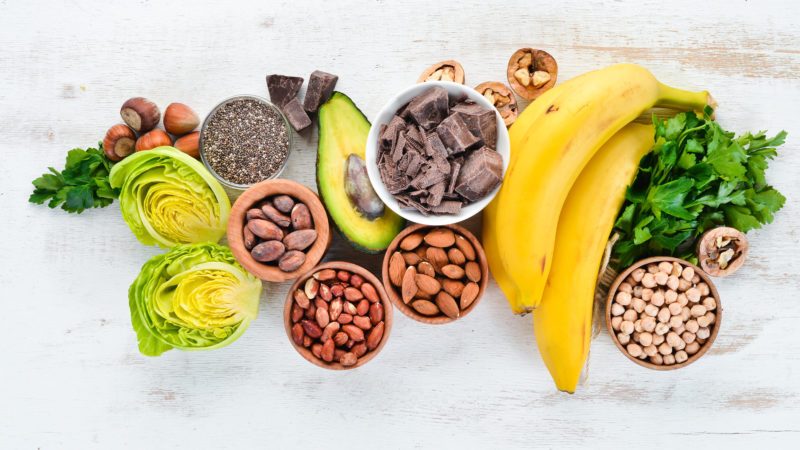
Adrenal Glands are responsible for flushing cortisol out of the bloodstream. In order to help them do this job it is important to have a good level of Magnesium. 
  • Magnesium controls the stress levels  and regulates cortisol (stress hormone)
  • Vitamin B5 reduces de cortisol effect
  • Vitamin C reduces oxidative stress
Eat: small pieces of 80% dark chocolate. leafy greens, pumpkin seeds, tuna, brown rice
Image result for food with magnesium
photo taken from Readers Digest

Healthy bowel: how can you make it stronger?

The microbiota living in your bowel is essential to improve the elimination of hormones and a stronger inmune system 
Some foods are particully good to improve the gut flora.
Take note of these : 
  • Sauerkraut
  • natural yoghurt
Image result for sauerkraut


Cyclical diet with more cruciferous and alliaceous 

Sulphur, Cruciferous and alliaceous foods containe sulphur, which increases the level of glutathione (good to reduce oxidative stress and inflammation- women with PMS have an imbalance of oxidant/antioxidant status specially if they have low level of glutathione) (see research in https://www.ncbi.nlm.nih.gov/pubmed/30275458)
  • Eat more: onions, garlic, leek, kale, brussels sprouts, cauliflower, broccoliImage result for cruciferous vegetables estrogen